You have 20 seconds to survive | Harticle
Enhancing Youth Resilience to Earthquakes is a project where digital interventions are created to strengthen youth resilience in the context of earthquakes. The project is coordinated by Marmara University (Türkiye) in cooperation with Università degli Studi di Messina (Italy), Harran University, the Social Cohesion and Entrepreneurship Association, the Marmara Municipalities Union (all from Türkiye) and Humak University of Applied Sciences (Finland).
The project will last until November 2025. During the project, many workshops are organized with the aim of finding different solutions to supporting youth resilience and providing a multilingual guidebook and academic articles. The first workshop was held in Messina, Sicily, in September 2024.
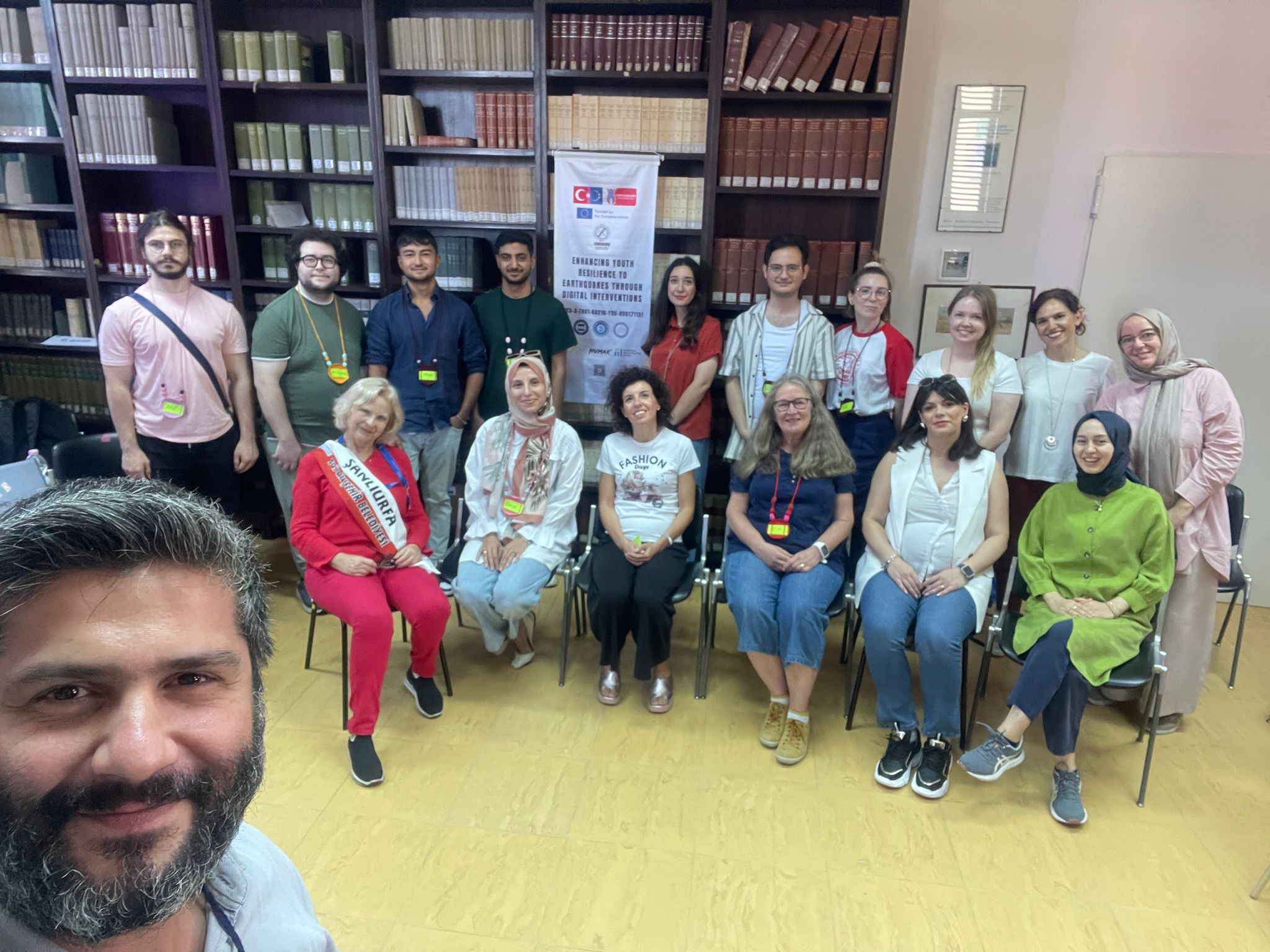 Participants of the first workshop week in a group photo at the University of Messina in Sicily. Photo: Hakan Gülerce.
Earthquakes?
Finns have very little, if any, experience with earthquakes – and even less experience with catastrophic disasters. During the first day, we learned that Messina had a massive earthquake in 1908 that took over 75,000 lives. In 2023, over 50,000 people died in Turkey and over 760,000 people lost their homes due to an earthquake. Both of these countries face an everyday risk of a catastrophic earthquake.
During this workshop week, we learned that an earthquake does not announce its arrival. Once it starts, there is an average of 20 seconds to get out of the house and into an open space. Earthquakes near the sea are also associated with tsunamis, which, once they start, come in shallow waves and gradually grow into waves over ten meters high. However, despite the temptation of great video opportunities, it is not worth staying close to the beach.
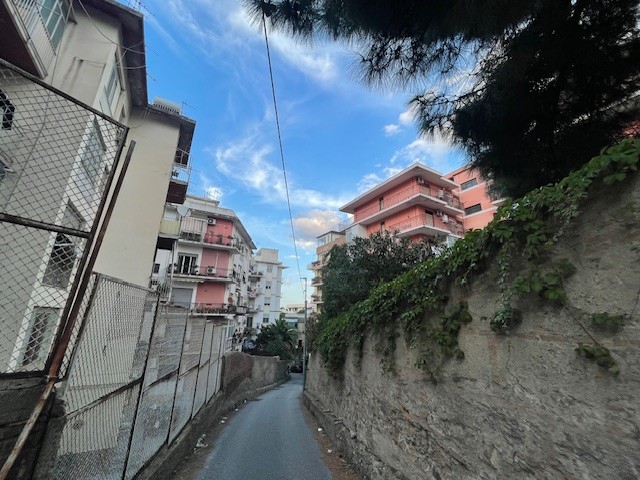 Our daily homework included observing how the built environment takes into account possible earthquakes. This narrow road was the escape route for the vast number of inhabitants around it. Photo: Eeva Sinisalo-Juha
Focus on youth resilience
In the middle of catastrophes, there are thousands of young people. In this project we focus especially on on young people and their competences on resilience. Resilience is important both in facing challenges and surviving in the middle of crisis. By learning to recognize their own strengths and ways to act in different situations, young people are able to maintain self-confidence, self-image and independent thinking when facing challenges.
Potential of youth work
Humak has a lot to offer in the field of youth work and therefore we provided this project our expertise in working among young people. Youth work is an excellent way to support young people in many kinds of risk situations, even in earthquakes. As an educated adult, the youth worker can provide tools for young people to face challenges, to recognize their strengths and to find ways to act in different situations. The youth worker can also support independence. Via digital youth work we can e.g., reach young people more efficiently, create safe spaces online despite the physical location and share actual information and support to young people.
We are happy to be able to share knowledge of Finnish youth work competences to those professionals working among young people in risk zones while also learning about different challenges young people face outside of our own reality.
Writers:
Anna Korhonen & Kati Hopiavuori are youth work professionals and Master-level Community Educator students in Humak.
Eeva Sinisalo-Juha D.Soc.Sc. is a senior lecturer in Humak.
Publication series: Humak Harticle
Publisher: Humak University of Applied Sciences
Publication date: 16.10.2024
Publications (Articles, Blogs & Podcast)
- Blog
- Research and Development
- Resilient Societies
Art projects to strengthen the social inclusion of immigrant women
- Article
- Community Educator
From Instructor to Co-Creator: Participatory Pedagogy in Community Education
- Blog

- Creative Field Entrepreneurship
When IP Travels: Collaboration Builds New Audiences
- Blog