
Art Opens New Pathways to Democracy
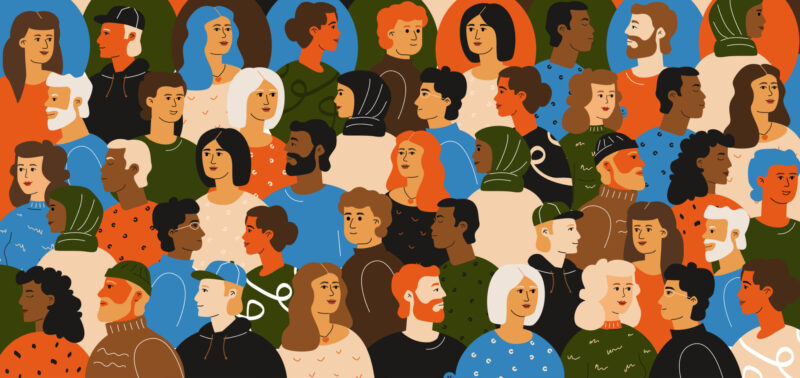
What does Europe mean to you? What does European identity look like in your everyday life? These are questions we rarely pause to answer — and even more rarely are they asked of ordinary citizens. This article explores how art can strengthen European identity and political participation.
Europe is living through a time of transformation. Social fragmentation, the rise of nationalism, and citizens’ alienation from EU decision-making challenge the idea of a shared European identity. At the same time, many studies show that Europeans have more in common than what separates them, but these shared values and experiences often remain invisible.
The future of the EU is not built solely in politics and institutions. It is built in how ordinary people feel they are part of the European community and how they see themselves as part of a shared story.
However, many citizens feel excluded from EU decision-making and discussions. Finns often approach the EU pragmatically rather than emotionally. Research shows that in many European countries, young people’s awareness of the EU’s fundamental values and democratic processes is weak. Traditional forms of participation fail to reach especially young people, requiring new, more accessible approaches.
Art Reaches Those Outside Political Discourse
Art and visual expression can open doors where traditional methods cannot reach. This is about so-called “artivism” — a combination of art and activism where creative expression serves as a tool for participation and social change. This approach has proven effective especially in reaching those who do not feel traditional political discussion forums are for them.
Visual expression removes many traditional barriers arising from, for example, language barriers, education levels, or social background. It enables participation in a more equal way and gives voice to those who are not traditionally involved in societal discussion.
Behind this lies a deeper question about the future of democracy. How do we ensure that all citizens — not just the traditionally active — can participate in building the future of society and Europe? How do we make EU decision-making more understandable and accessible?
Reaching young people is particularly important. They are Europe’s future, but paradoxically often the least involved in decision-making.
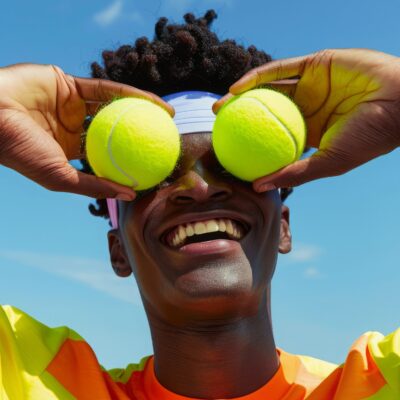
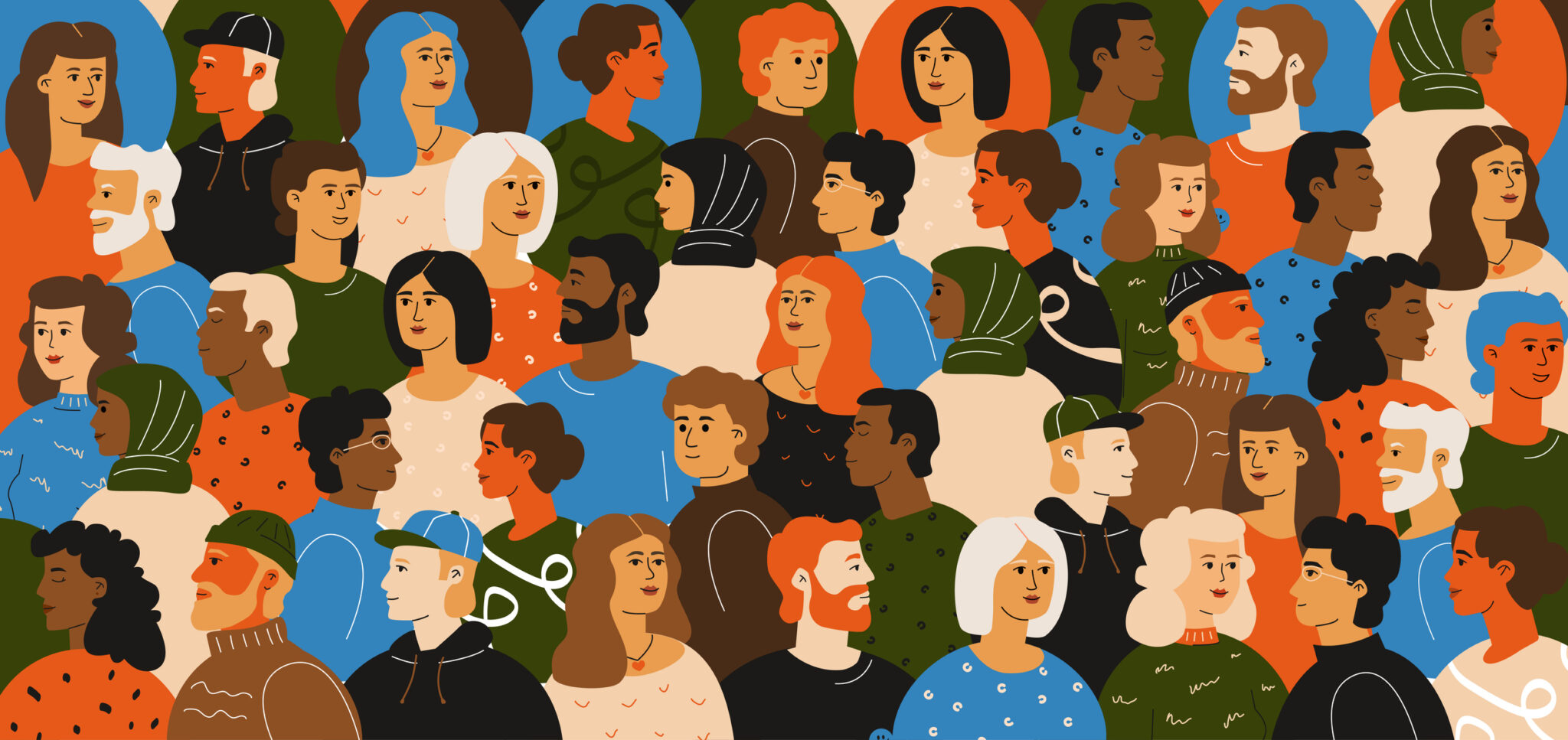 Stock photo: Istock.
Art and Participation Build a Common Europe
Participatory mapping can create forums where everyone can equally share their views. When participation happens through photographs and visual expression, it creates a safe and inclusive space where one doesn’t need “correct” words or traditional political expertise.
In visual mapping, we would presumably notice that despite geographical and cultural differences, we have much in common. The same family values, the same concerns about the future, and the same joys in everyday life. This visual evidence of shared humanity could be a powerful counterforce to fragmentation and nationalism.
Such an approach combines science and practice. It is strongly based on researched knowledge about participatory methods and the possibilities of arts-based research, but at the same time it aims for concrete, practical results in strengthening citizen participation.
European identity is not something given, but is built every day, in every encounter, in every choice. When we give everyone the opportunity to show what Europe means to them, we simultaneously build a stronger, more inclusive, and more democratic community.
Humak is developing a functional visual mapping approach as part of international collaboration involving Amber Road partners from Austria, Slovenia, and Italy. The work relates to the broader European discussion on strengthening citizen participation and the future of democracy. For Humak, the theme is a natural continuation of previous work in strengthening citizen participation and community engagement.
Author:
Nina Luostarinen, RDI Senior Specialist, Humak University of Applied Sciences, ORCID 0000-0003-0777-2858
Publication series: Humak Harticle
Publisher: Humak University of Applied Sciences
Publication date: 21.10.2025
Publications (Articles, Blogs & Podcast)
- Podcast
- Nuorisotyö
- TKI-toiminta
- Uudistuvat yhteisöt
Pitkäaikaissairaan Nellin tarina
- Blogi
- TKI-toiminta
- Uudistuvat yhteisöt
Nuorisotyö Goes Pride – esimerkkejä Itä-Suomesta
- Blogi
- Resilientti yhteiskunta
- TKI-toiminta
“Tuntuu hyvältä tietää, että mun joukkueessa saan olla juuri sellainen kuin olen”
- Verkkojulkaisu
- Nuorisotyö
- TKI-toiminta