Reflections on the Earthquakes project
The final event of the Enhancing Youth Resilience to Earthquakes through Digital Interventions project took place in Istanbul.
As we are writing this text, the semester 2024–2025 is coming to its end together with our project titled Enhancing Youth Resilience to Earthquakes through Digital Interventions. It has been a collaboration project between the University of Messina (Sicily/Italy), Harran University (Sanliurfa/Türkiye), the Marmara University (Istanbul/Türkiye), the Social Cohesion and Entrepreneurship Association (Türkiye) and the Marmara Municipalities Union (Türkiye).
Previously, Humak has published the Harticle titled You have 20 seconds to survive on the basis of the project’s workshop in Messina in September 2024.
The fourth and the final workshop of the project took place in Istanbul 15.–16.2025. The two-day-long meeting concentrated on project evaluation, discussions on the finalization of the project’s outputs and dissemination. In addition, a field trip to Kadıköy Municipality Disaster Park was included in the workshop’s programme.
Learning experiences
As we launched the project, we know very little about the earthquakes. Earthquakes exist in Finland, but they are minor and often unnoticed by the inhabitants. For us, the project was an eye-opener. We learned a lot about earthquakes and the already existing methods to be prepared for them and strengthening youth resilience to earthquakes.
In addition, the project was an excellent learning experience of international work. On the final day of the workshop, our Italian partner had an inspiring presentation of cultural manners to interpret images and situations. It could also be argued that while an Italian or Turkish person living in an active earthquake zone is constantly aware of the possibility of an earthquake, the Finnish person is happily unaware of the risks. Our frame of minds and cultural dispositions to interpret our surrounding world are different.
In this respect, our field trip to Kadıköy Municipality Disaster Park was a good learning experience. We were able to experience an earthquake simulation and learn how school children were taught to be prepared for earthquakes. Many of the practised skills in the disaster park, such as the use of fire extinguisher, could be useful skills for children and young people who live in an area unaffected by the earthquakes too. In the end, taking precautions for earthquakes requires skill which also are useful for other kinds of accidents and disasters.
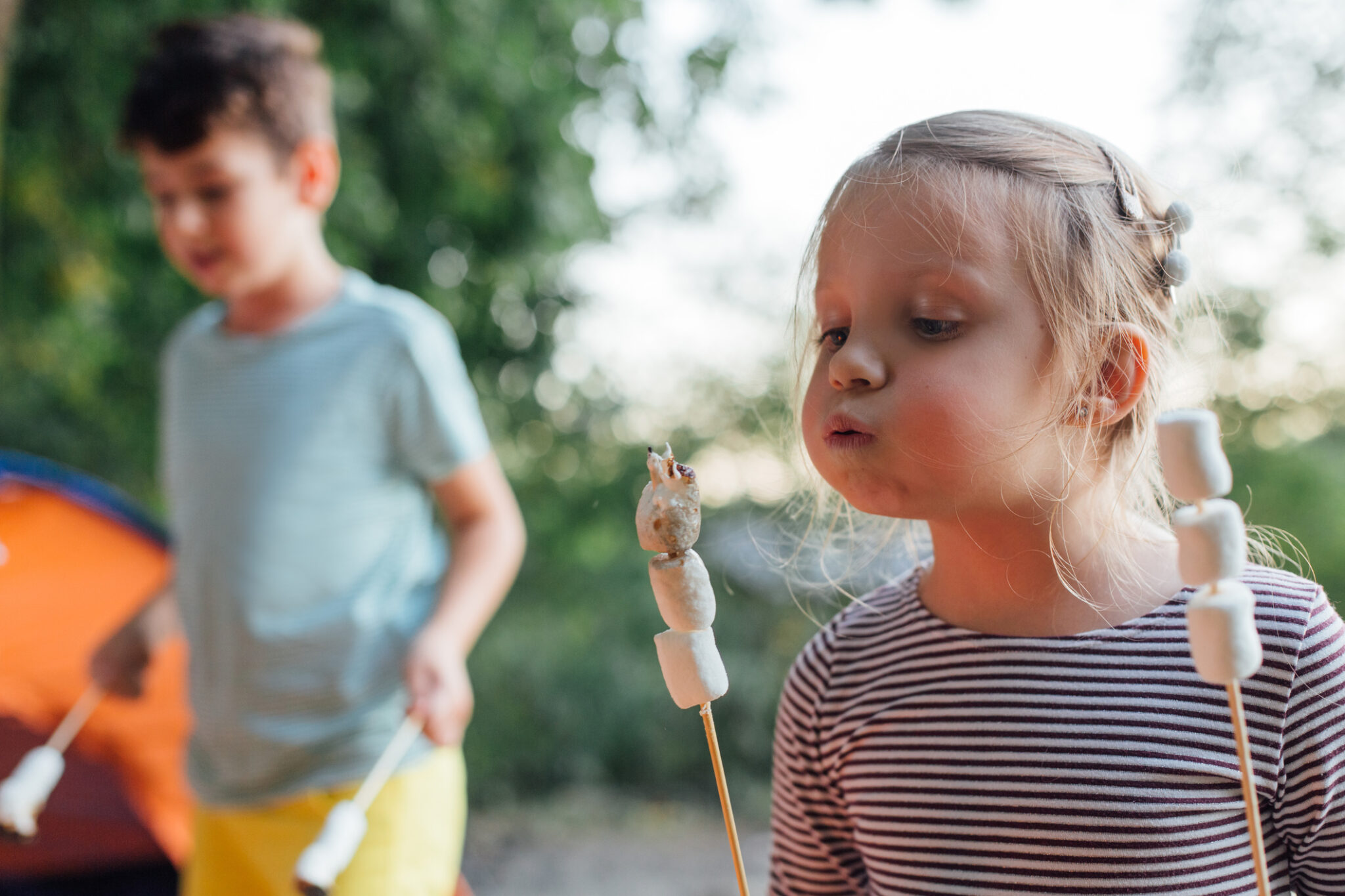 We visited Kadıköy Municipality Disaster Park in Istanbul.
Promoting youth work
Unlike Finland, Türkiye does not have a youth work education at the moment. Currently, our Turkish colleagues are working to start a youth work training in Türkiye. We are hoping that our collaboration has given them a wider perspective and knowledge on the Finnish youth work education which will support their efforts to start their own training. Perhaps, the most important thought we had been able to give them is that youth work is always based on the interest and voluntary participation of the young person and that youth work should promote the agency of the young person. From our perspective, this something which is a shared value in youth work regardless of geographic, cultural or other contexts of youth work.
The outcomes of the project
As every project, our project is producing concrete outcomes. Some outcomes are still being finalized, but they will be available soon. The main outcomes of the project are an informative guide on earthquake resilience, scholarly articles on human rights education and on technology and youth earthquake resilience, and a user-friendly website with an AI chatbot for real-time assistance and animated videos covering several earthquake related topics.
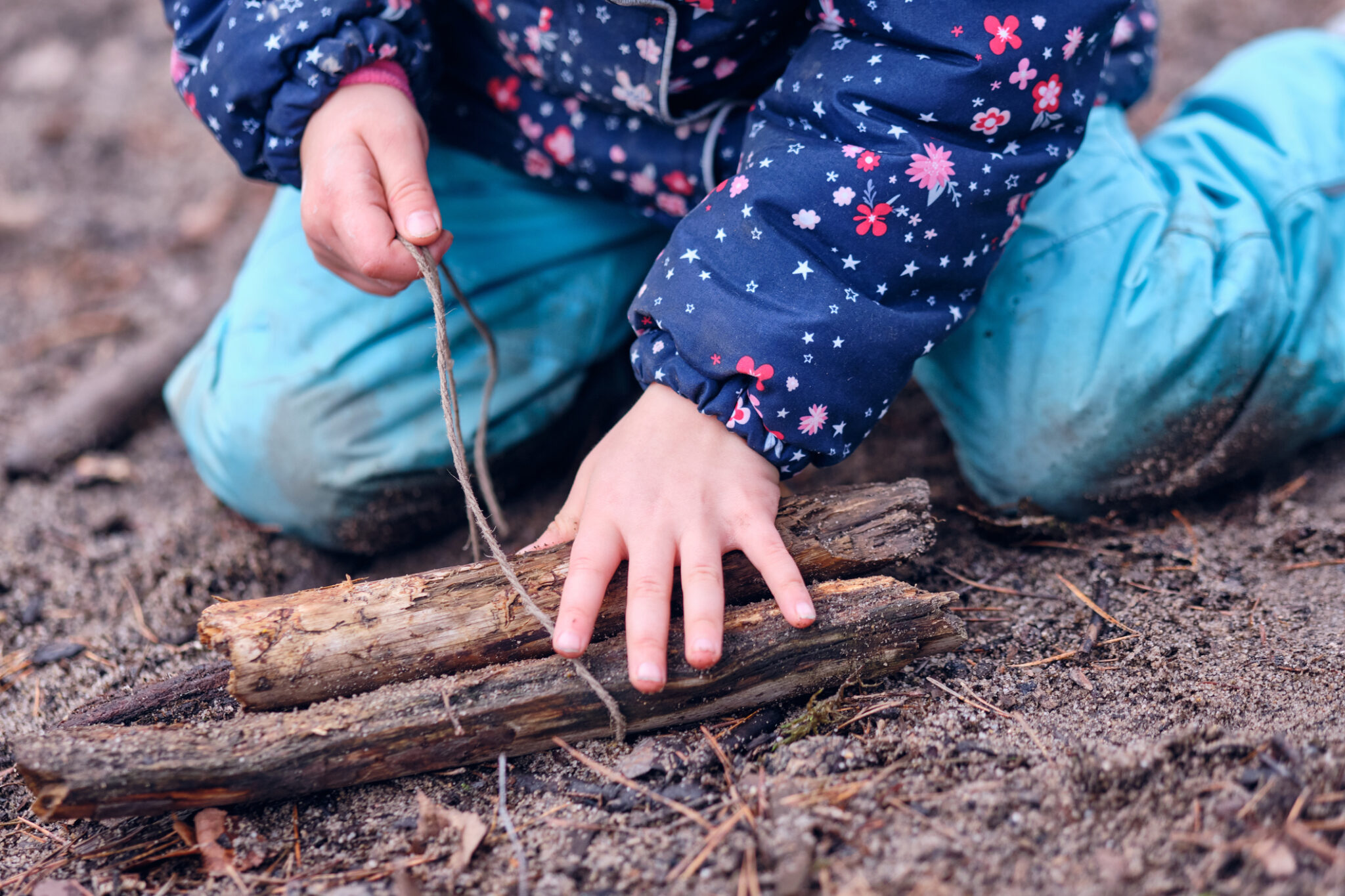 Earthquake drill in the disaster park.
The lessons we take from the project – Merja’s summary
From the point of view of the pedagogical staff of the project, it is always a great pleasure to be able to offer our students interesting learning environments. This project makes no exception. Without the project, we could not have offered our students the opportunity to learn about earthquakes and what youth resilience means in this context. The expertise of our partners on earthquakes, made it possible. For the pedagogical staff, the project opened a possibility to exercise our youth work expertise in a new environment. For us, this was a professionally rewarding experience.
The student point of view – Mimmu’s take on the project
There we were in Istanbul, Turkey, at the final event of the Enhancing Youth Resilience to Earthquakes through Digital Interventions project. I had the chance to share my thoughts on what I’ve learned from the project from a student’s perspective. We also gave a short presentation about our community education studies.
Through the project, I of course learned a lot about earthquakes (I even got to try an earthquake simulator!), their ripple effects, and how to stay safe. But my biggest personal takeaway was about international cooperation. It’s been incredibly interesting to be part of this project, to meet professionals from different fields, carry out joint activities, learn about different cultures—and most of all, to spend time together and share laughter.
One of the most unforgettable experiences was visiting a refugee family during our trip to Şanlıurfa. It really put things into perspective.
Another highlight was, of course, having some of these amazing people visit our home when they were in Finland participating the Helsinki workshop.
From the bottom of my heart, I hope we’ll meet again and get to work on new projects to support young people.
Working on this project strengthened my ability to approach my work with a future-oriented mindset. The project did not focus solely on current challenges, but aimed to build young people’s resilience in the long term, for example in the face of natural disasters and global crises. In designing the guide, we made use of foresight data and reflected on what kinds of skills and capacities young people will need in the future. This deepened my understanding of how youth work can contribute to long-term well-being and crisis preparedness.
I have learned not only about earthquakes, but above all about international project work and collaboration. What has been most meaningful to me personally is getting to know new people through the project. I have also learned that I can manage with my ‘rally English’, even though speaking still makes me nervous.
The main feeling that fills my mind is deep gratitude for having had the opportunity to be part of this meaningful project as a student.
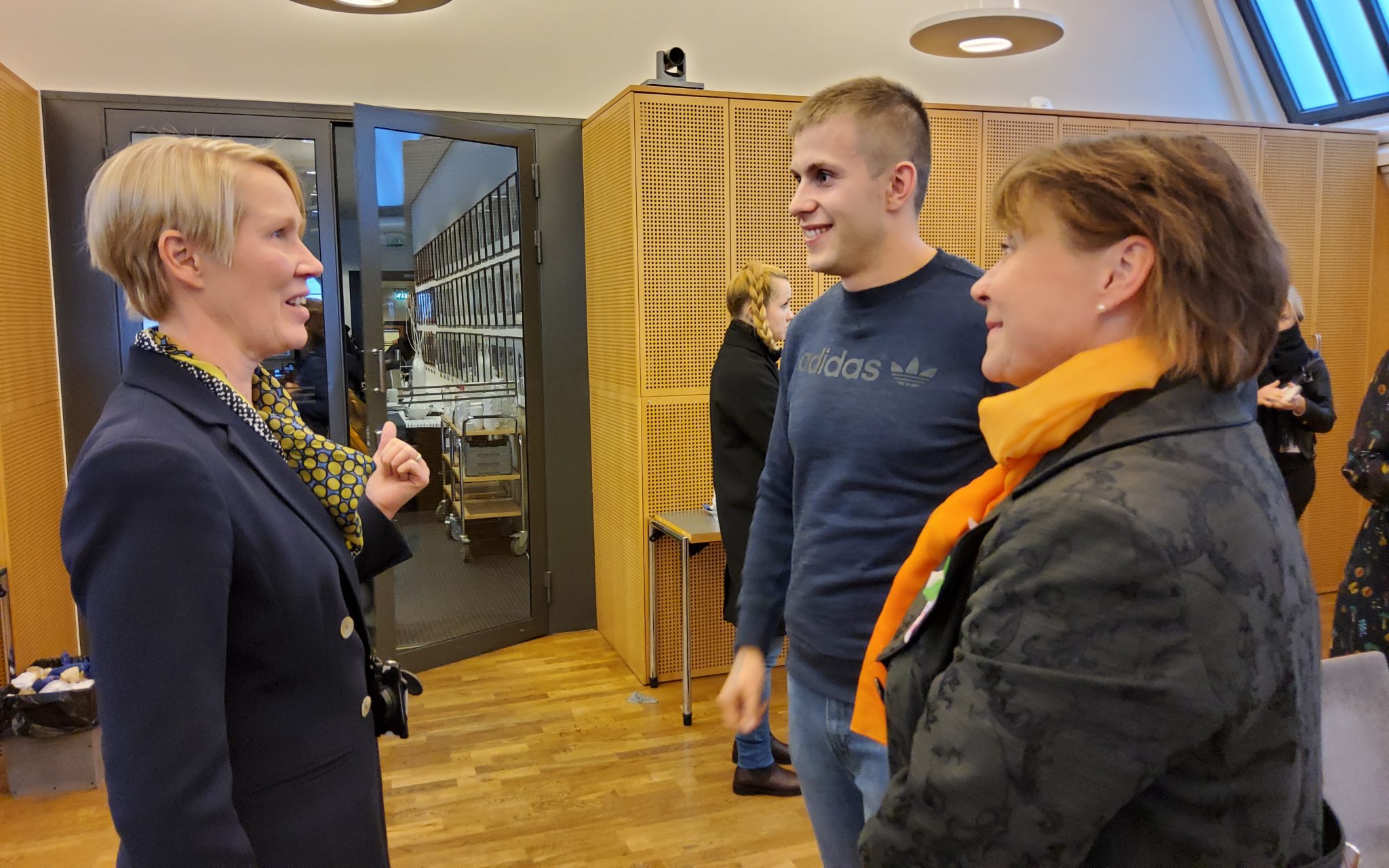 The programme of the Istanbul workshop included e.g., the project overview at the event hosted by the Marmara Municipalities Union.
Authors:
Merja Kylmäkoski, Ph.D., Principal Lecturer, Humak University of Applied Sciences
Mimmu Pietilä, Bachelor student in Community education specialized in youth work, Humak University of Applied Sciences
Publications (Articles, Blogs & Podcast)
- Article

- Creative Field Entrepreneurship
The Window to India Is Open: Why Focused Strategy Defines the Next Breakthrough in the World’s Fastest-Growing Music Ecosystem
- Article

- Research and Development
- Resilient Societies
Crises as Catalysts for Change: The Foundations of the Resilient Societies Research Programme
- Web publication

- NGO Work
Ever Wanted to Be an Explorer? – Tikkala Schoolchildren Learning at the Struve Geodetic Arc at Oravivuori Station Point
- Web publication