Changing world, stronger together – article series Part 1: What skills do Humak graduates encourage current students to develop?
Humak graduates with bachelor’s and master’s degrees from 2017–2019 responded to a national career survey, in which they shared what kind of skills current students need in working life. The responses clearly show that working life requires versatile skills and continuous development.
The theme of Social Impact Weeks, “Changing world, stronger together,” challenges us to consider what kind of skills we will need in the future and how we can strengthen each other in building our studies and careers. In this series of articles, we examine the importance of humanistic skills in the age of artificial intelligence, the power of networking, and what Humak alumni already working in the field encourage current students to develop. In addition, we show concrete examples of how student feedback and career tracking data are used in the development of education.
Part 1: What skills do Humak graduates encourage current students to develop?
Part 2: Professional Networks Are Built During Studies
Part 3: Career monitoring survey as a tool for identifying continuous learning needs
Part One: What skills do Humak graduates encourage current students to develop?
Humak graduates with bachelor’s and master’s degrees from 2017–2019 responded to a national career survey, in which they shared what kind of skills current students need in working life. The responses clearly show that working life requires versatile skills and continuous development.
Self-management and time management are key
All programs strongly emphasized the importance of self-management, time management skills, and self-direction. Graduates describe working life as hectic and full of changing situations. Stress tolerance, prioritization, and flexibility were highlighted in many responses. Organizing one’s own work and tolerating chaos are skills that are required in working life on a daily basis.
Networking and interaction skills go a long way
Graduates of cultural production and community pedagogy training emphasized the importance of networking throughout their studies. Cooperation skills, interpersonal skills, and multidisciplinary expertise are key skills in all fields. Interpreting students are encouraged to develop their interaction skills in a multicultural environment and the courage to meet different clients.
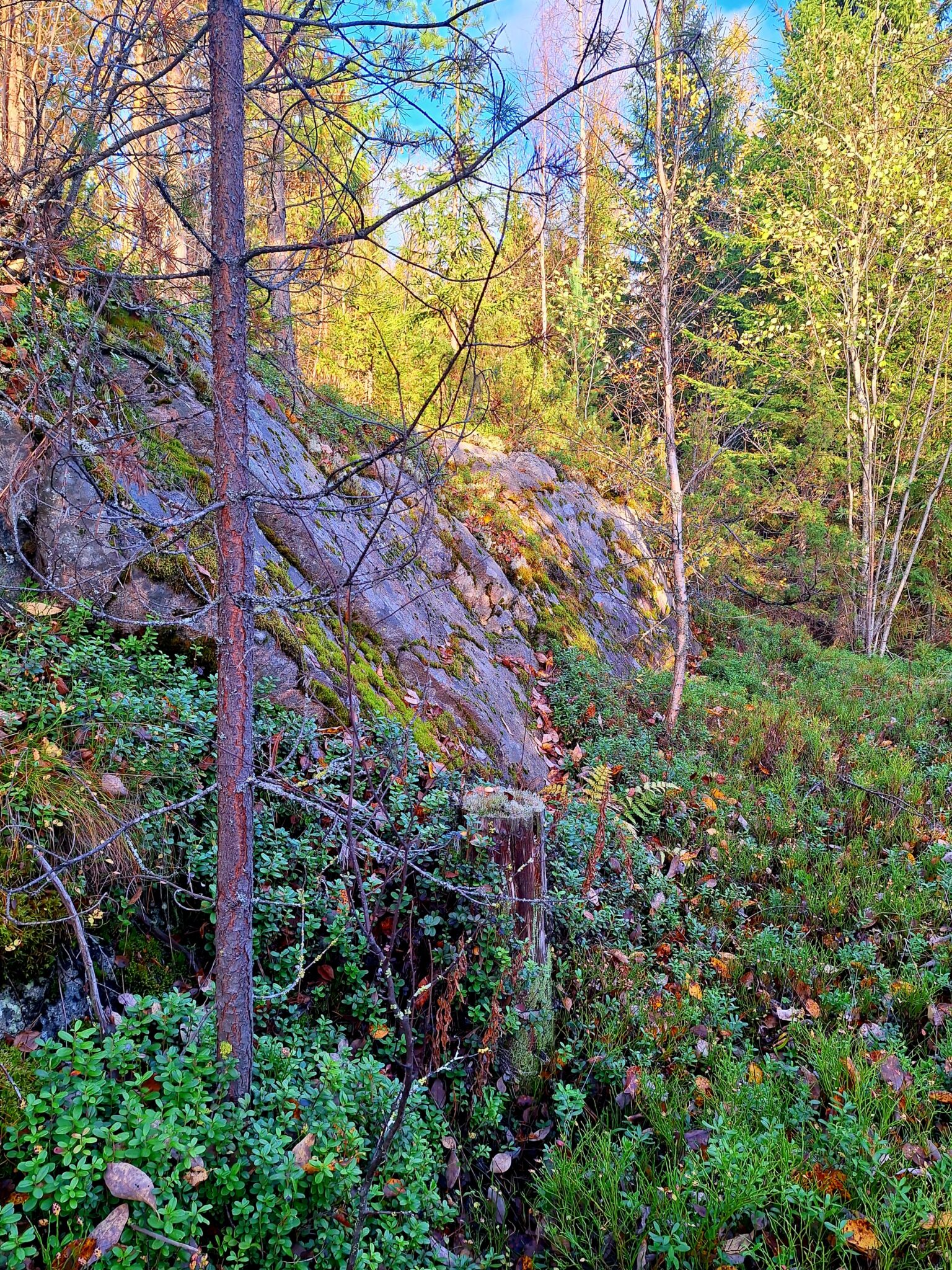 Higher education creates a sustainable foundation for working life, on which professionals can grow and develop. Photographer: Helka Luttinen. Location: Vieremä.
Financial literacy and entrepreneurial skills playing an increasingly important role
Budgeting, financial literacy, and entrepreneurial skills were particularly highlighted in the responses from cultural production. Graduates emphasize that project management, grant application writing, and reporting are practical skills that are needed on a daily basis. Community educators also emphasize the importance of project management and development skills.
Versatile training opens doors
As concrete advice, graduates recommend choosing versatile training placements and actively building networks already during their studies. By trying out different work environments and working alongside their studies, students build up a wealth of expertise that is of significant benefit in working life.
Author: Helka Luttinen, Education Planner, Humak University of Applied Sciences. Orcid: 0009-0008-7809-0815
Published: 27.10.2025
Series: Hartikkelit / Harticles
Publisher: Humak University of Applied Sciences
Publications (Articles, Blogs & Podcast)
- Article

- Creative Field Entrepreneurship
The Window to India Is Open: Why Focused Strategy Defines the Next Breakthrough in the World’s Fastest-Growing Music Ecosystem
- Article

- Research and Development
- Resilient Societies
Crises as Catalysts for Change: The Foundations of the Resilient Societies Research Programme
- Web publication

- NGO Work
Ever Wanted to Be an Explorer? – Tikkala Schoolchildren Learning at the Struve Geodetic Arc at Oravivuori Station Point
- Web publication