Changing world, stronger together – article series Part 2: Professional Networks Are Built During Studies
The theme of Social Impact Weeks, “Changing world, stronger together,” challenges us to consider what kind of skills we will need in the future and how we can strengthen each other in building our studies and careers. In this series of articles, we examine the importance of humanistic skills in the age of artificial intelligence, the power of networking, and what Humak alumni already working in the field encourage current students to develop. In addition, we show concrete examples of how student feedback and career tracking data are used in the development of education.
Part 1: What skills do Humak graduates encourage current students to develop?
Part 2: Professional Networks Are Built During Studies
Part 3: Career monitoring survey as a tool for identifying continuous learning needs
Part Two: Professional Networks Are Built During Studies
Where can you actually start building professional networks? Students begin working with various networks from the very start of their studies. The primary and most important network for students is the Humak network, which is built together with fellow students, teachers, and professionals.
The Student Community Is the First Network
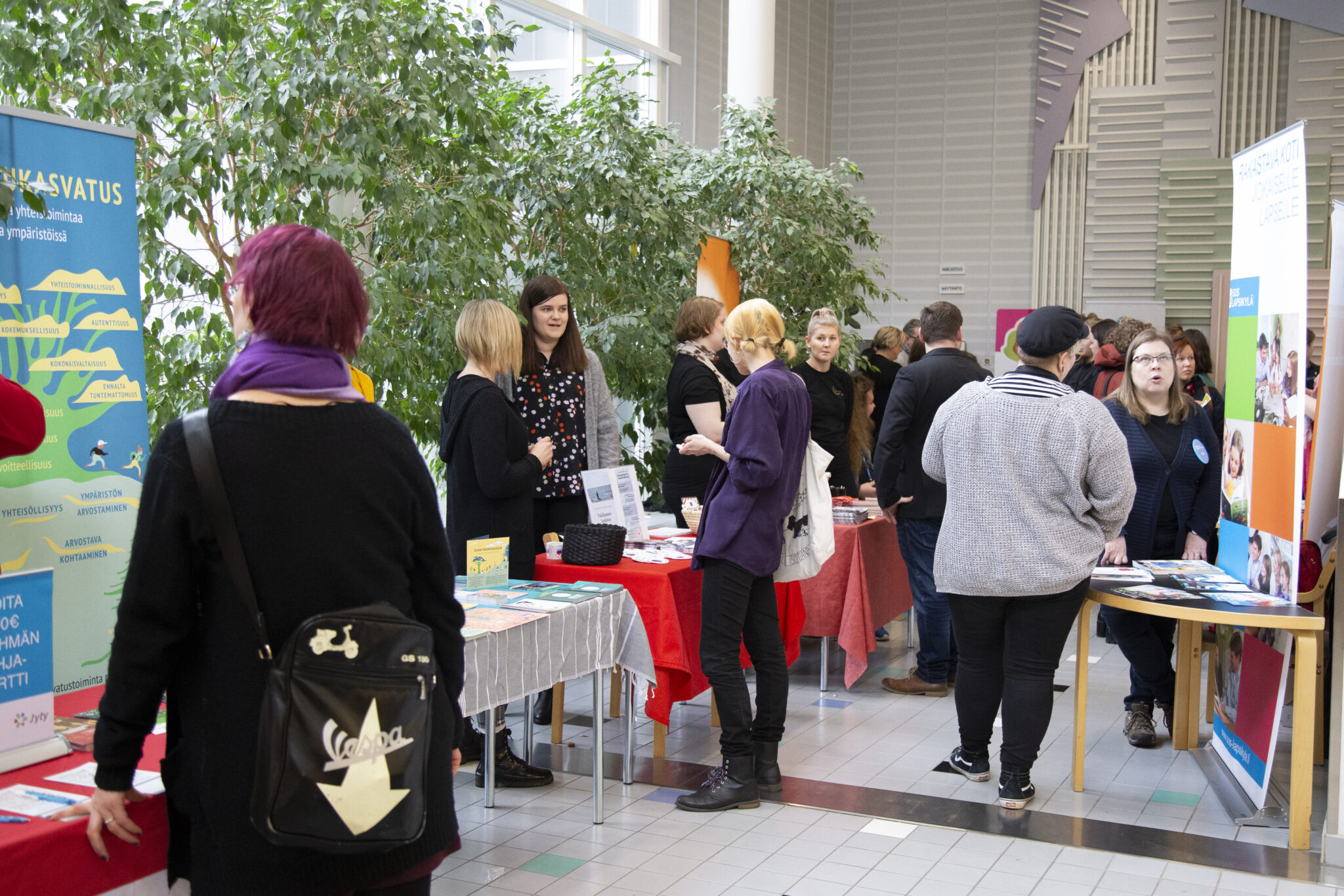
During their studies, students collaborate and get to know future professionals in their own field (and possibly in other fields as well). Through collaboration, they demonstrate their willingness to learn, their reliability as partners, and their ability to work with diverse people. They also show that they are ready to share their expertise, encourage others, and contribute to joint efforts.
Group work and discussions during studies are key ways to build these networks. Networking requires active participation—networks don’t form on their own.
 Stock photo: Flickr.
Internships Open Doors to Working Life
Students complete internships in a variety of workplaces and environments. During internships, they work directly with professionals in the field and have front-row opportunities to build their networks. Internships also involve meeting stakeholders and clients, which helps expand both professional skills and networks.
As part of their studies, students get to know alumni and professionals working in the field, either through guest lectures or events offered during their studies. Humak teachers are part of this network, as they maintain strong connections to working life, for example through RDI (Research, Development, and Innovation) projects. Some of the lecturers are also Humak alumni.
Digital Environments Expand Networks
Humak’s network is spread across a wide area, and students collaborate nationwide during their studies. This kind of networking is made possible by digital learning environments and Humak’s strong expertise in online pedagogy.
In addition to the digital environments used in studies, students also become familiar with social media and its opportunities. Many students are active on platforms like LinkedIn and Facebook.
Networking doesn’t only happen in designated events or environments—although those are good places to meet professionals in the field. Mainly, networks are formed through collaboration with different people. Networks serve not only as tools for cooperation but also as spaces for reflecting on one’s own expertise. It’s worth considering what you bring to a network and what you learn from it. Networks are built during studies and carried forward into your career.
Author: Jenny Honka, Senior lecturer, Alum, Humak University of Applied Sciences
Published: 29.10.2025
Series: Hartikkelit / Harticles
Publisher: Humak University of Applied Sciences
Publications (Articles, Blogs & Podcast)
- Article

- Creative Field Entrepreneurship
The Window to India Is Open: Why Focused Strategy Defines the Next Breakthrough in the World’s Fastest-Growing Music Ecosystem
- Article
- Research and Development
- Resilient Societies
Crises as Catalysts for Change: The Foundations of the Resilient Societies Research Programme
- Web publication

- NGO Work
Ever Wanted to Be an Explorer? – Tikkala Schoolchildren Learning at the Struve Geodetic Arc at Oravivuori Station Point
- Web publication