
Harticle: Considering the ”Process” in Peace: Hope, Reconciliation and Young people in post-conflict Northern Ireland 1998 – Present
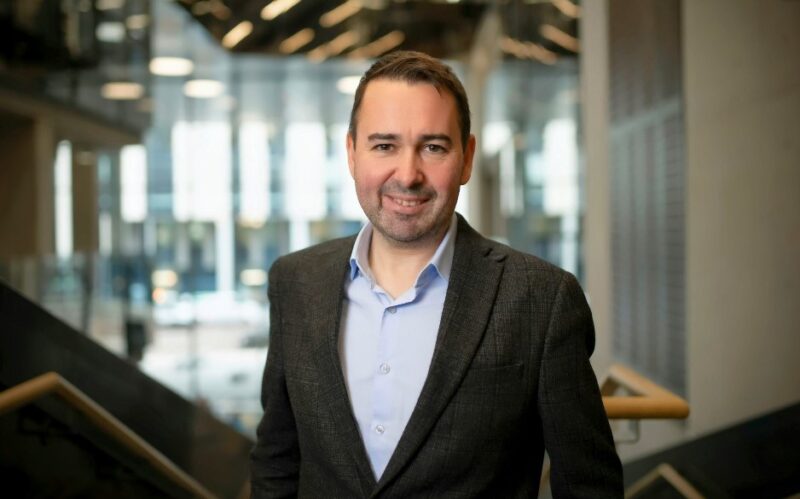
The first keynote speaker of the 22nd Annual Conference of Youth Studies was Dr. Philip McDermott from Ulster University in Northern Ireland. He gave us an overview of the peace process in Northern Ireland and the post-conflict society which has continued since the peace agreement in 1998. It has been a transformation process of 25 years where the peace process has been a great source of hope. On the other hand, the conflict is in people’s generational memory and the trauma continues. This harticle is based on the Keynote speach presented by McDermott during the conference.
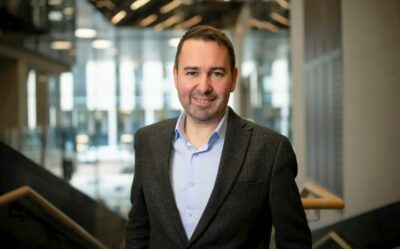
 Philip McDermott, Ulster University.
Legacy of 30 Years of Conflict
Dr. McDermott gave an overview of Northern Ireland’s context of conflict. The conflict lasted 30 years, from 1968 to 1998. Irish nationalists were hostile to Northern Ireland´s existence and in the late 1960´s, when global protests started, the conflict erupted. There were more than 3.500 deaths and 45.000 injured, not to mention all mental health issues. One third of the deaths were young people between ages 18-23. The monetary cost of the conflict has been estimated to be approximately 23.5£ billion by the year 1993/1994.
The legacy of 30 years of conflict is still felt on the environment, cultural antagonisms and political affiliations. Since 1998 the peace process has offered new pathways of hope. The peace agreement in 1998 was groundbreaking. It promoted equality and parity of esteem between communities and promoted the idea of respect for difference. But there has also been criticism about the process: it has accommodated competing national groups, but not alternative and emerging identities. One of the projects to foster community relations was the construction of Peace Bridge in Derry, with the EU’s support, linking Catholic & Protestant neighborhoods over the river Foyle.
Youth Work´s Role in Peace Process
Dr. McDermott talked about the way youth work has provided an important avenue of hope during the conflict. Acknowledging and discussing challenges and opportunities has created a platform of hope. Role of youth work and young people´s activism has played an important role in peace building.
During the years of trouble, youth work was crucial. It emerged from below rather than from the state, in both community/grassroots and faith-based contexts. In the 1970´s youth workers became involved in diversionary activities which attempted to keep young people (especially young men) out of trouble and off the streets.
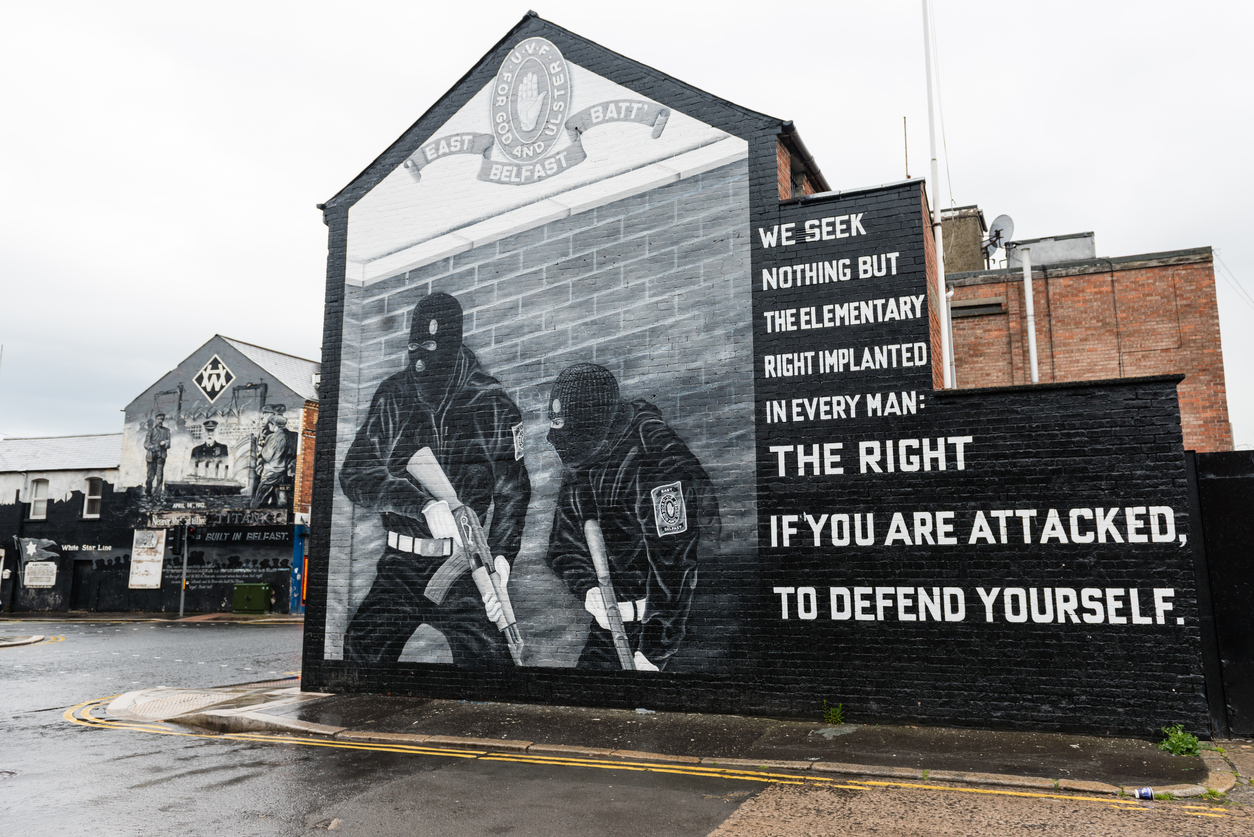 One of the most known mural in Belfast, Northern Ireland depicting the region’s past and present political and religious divisions. Photo published under IStock license, taken by Jennifertakespictures.
Youth Work of Today in Northern Ireland
Challenges still in 2023 are that 90% of school pupils attend schools defined along religious lines and many young people live largely in “single- identity” neighborhoods. Youth work of today in Northern Ireland connect people from different backgrounds. It has increased awareness of the need for inter-community youth work to enhance basic contact. Leisure centers have been built in inter-community neighborhoods and youth camp programs have been created to enable contacts between different groups. The importance of national identity has decreased from 29% in 2003 to 16% in 2022.
National Identity and Young People
The importance of national identity has continued to decrease due to globalization and wider social issues, like marriage equality, Black Lives Matter and reproductive rights, have become important. Immigration and wider diversity have become a norm. The world has become intercultural which goes beyond the British/Irish dimension.
Young people in Northern Ireland have been campaigning together for Marriage Equality, Reproductive Rights or Black Lives Matters. Global challenges unit young people in Northern Ireland e.g. School Strikes for Climate. These joint campaigns by young people give hope for real peace in Northern Ireland.
——-
Docent Panu Pihkala´s commentary
Researcher, docent Panu Pihkala from University of Helsinki gave commentary on Dr.Philip McDermott´s presentation. He talked more widely about sources of anxiety among young people like climate change and ecological crisis. The role of hope is central, but a contested theme. Different people mean different things by hope.
Written by:
Sanna Haarlaa and Anna Miettinen, Students & Conference Co-ordinators, Humak University of Applied Sciences
Eeva Sinisalo-Juha, Ph.D, senior specialist, Humak University of Applied Sciences
Publication date: 7.12.2023
Series: Humak Harticle
License: Open Access, cc-by
Publications (Articles, Blogs & Podcast)
- Blog
- NGO Work
- Youth Work
User-Centered Development Improved the Usability of Jarjestin | Harticle
- Blog
- Youth Work
Harticle: Impact of Hybrid War in Ukraine on Mental Health of Youth
- Blogi
- Nuorisotyö
- Youth Work
Touching reflections on “The Diversity of Hope” – the keynote speakers’ personal reflections on hope in the midst of conflicts | Harticle
- Web publication

- Youth Work