Culture as the Spiritual Resilience of Society – Why Is Art a Security Issue?
Culture is a societal force that both unites and divides: it creates solidarity and identity but can also generate conflict.
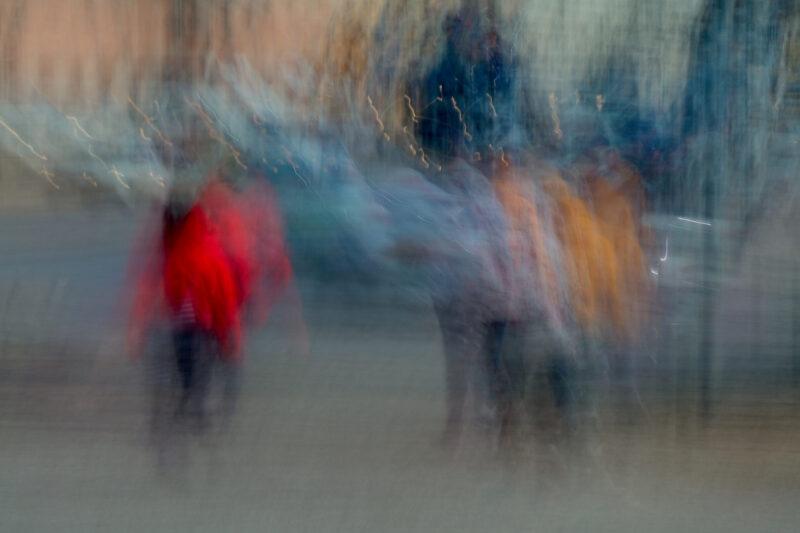
True societal security is built through culture, art, and a sense of community. Art-based methods can strengthen a society’s psychological resilience, make lived meanings visible, and support critical thinking—especially at a time when disinformation and polarization threaten communities as seriously as traditional military threats.
In today’s security environment, traditional military threats are only one part of a threat landscape made up of increasingly complex challenges. Societies are ever more often destabilized through disinformation, the fueling of polarization, and the questioning of identities (for example, by undermining national cohesion and shared values). Hybrid threats—referring to the combination of conventional and unconventional means, such as cyber operations, influence activities, and psychological warfare—target how we understand ourselves as a community, and it is precisely here that culture assumes a central role.
The Dual Power of Culture
Culture is a societal force that both unites and divides: it creates solidarity and identity but can also generate conflict. In open democracies, culture’s ability to spark critical discussion is a central value, but the same openness exposes societies to disinformation and manipulation. Freedom of speech and artistic expression are cornerstones of democracy, yet their misuse can erode trust and polarize society. The challenge is to preserve an open and critical space without restricting freedom.
In the Nordic countries, people have begun asking whether art can be part of societal crisis preparedness. After witnessing the power of cultural mobilization in Ukraine, interest has grown: can creative expression, shared cultural experiences, and artistic processes foster psychological resilience? Could it be that a community’s ability to withstand pressure, perceive reality, and maintain trust is built largely through culture?
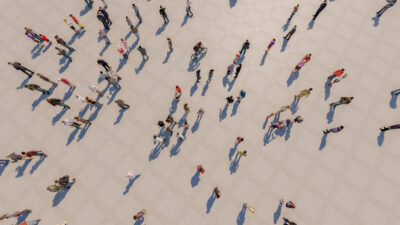
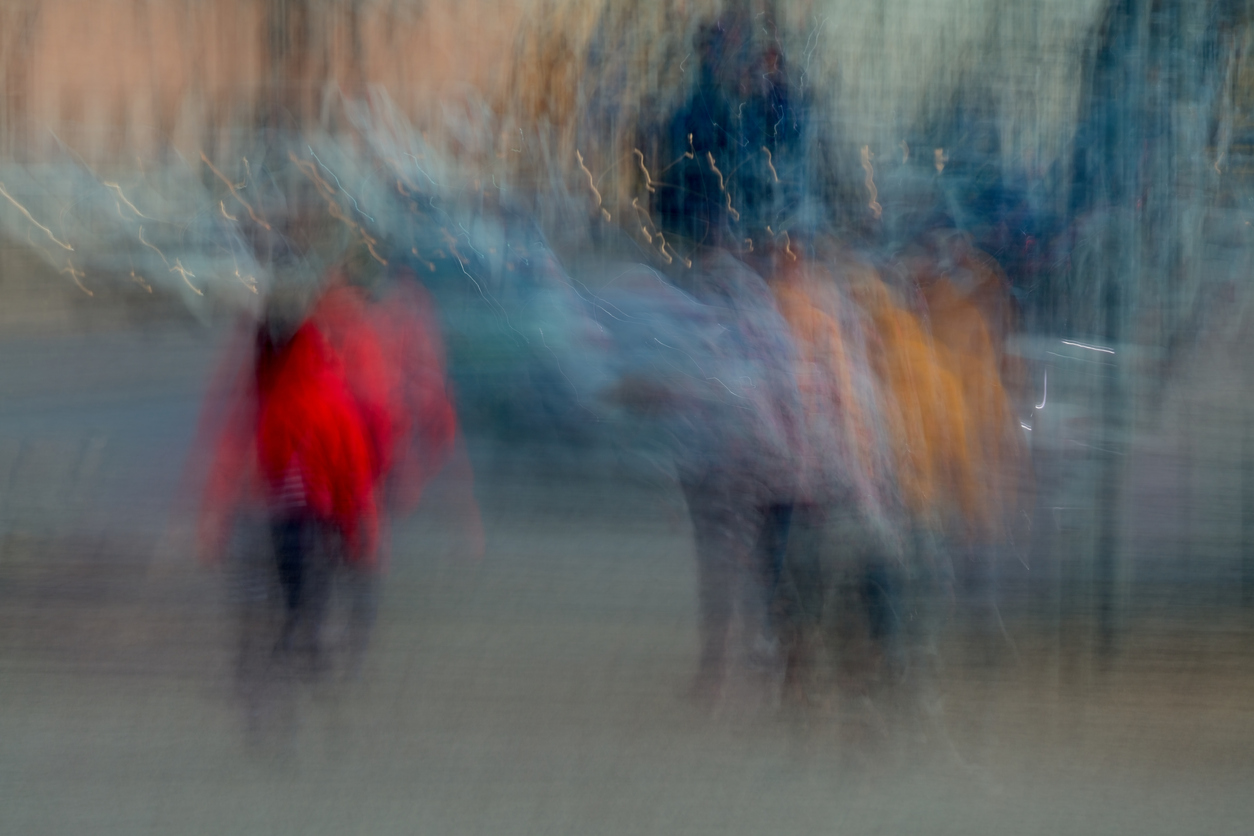 Istock.
Art Makes a Nation’s Experiences Visible
Art-based methods offer a unique way to approach security questions. While traditional research analyzes threats and responses, art helps us understand lived meanings, emotions, and communal processes. It reveals aspects that statistics and strategies leave unseen.
The question is: how do we ensure that cultural practices, creative expression, and collective memory endure even during crises? How do we build structures that support culture’s role as the spiritual resilience of society without turning art into an instrument or subjecting it to control?
These questions call for interdisciplinary research that brings together security studies, cultural policy, organizational studies, and art-based methods. Only by understanding the multifaceted role of culture can we build truly resilient societies.
Author:
Nina Luostarinen, RDI Senior Specialist, Humak University of Applied Sciences, ORCID 0000-0003-0777-2858
Publication date: 16.12.2025
Publication series: Humak Harticle
Publisher: Humak University of Applied Sciences
Publications (Articles, Blogs & Podcast)
- Article
- Creative Field Entrepreneurship
The Window to India Is Open: Why Focused Strategy Defines the Next Breakthrough in the World’s Fastest-Growing Music Ecosystem
- Article
- Research and Development
- Resilient Societies
Crises as Catalysts for Change: The Foundations of the Resilient Societies Research Programme
- Web publication

- NGO Work
Ever Wanted to Be an Explorer? – Tikkala Schoolchildren Learning at the Struve Geodetic Arc at Oravivuori Station Point
- Web publication