
Harticle: Impact of Hybrid War in Ukraine on Mental Health of Youth
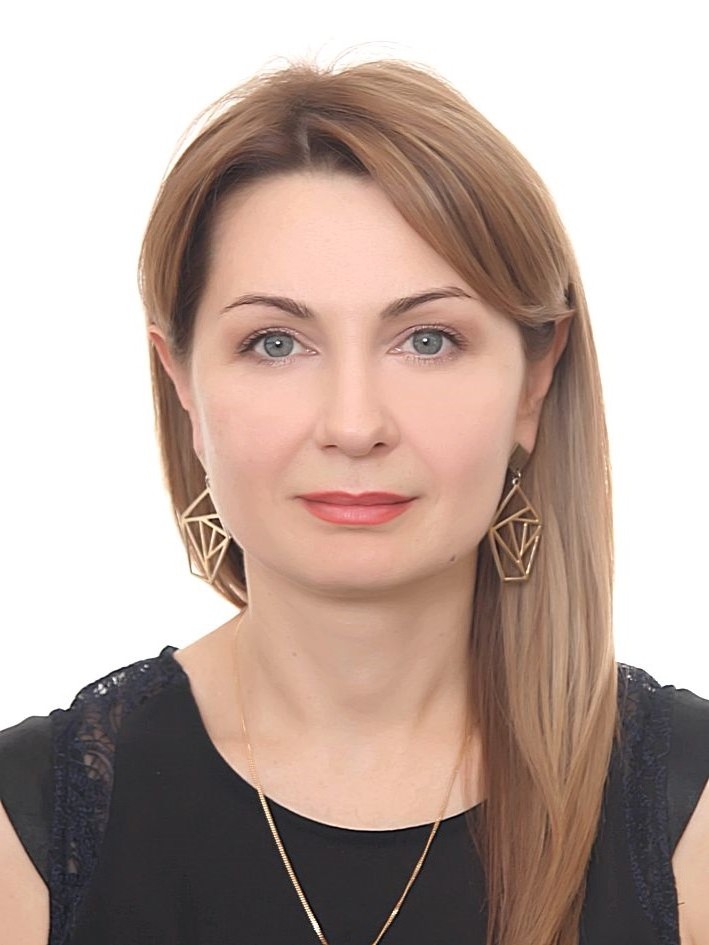
In February 2022 Russia launched a full-scale invasion against Ukraine. Dr. Olga Osokina, professor of the Department of Psychiatry at Donetsk National Medical University and visiting professor at University of Turku in Finland, held a keynote speech about the impact of war to mental health and psychological well-being of Ukrainian adolescents during the 22nd Annual Conference of Youth Studies in Helsinki. The harticle is based on her keynote speach titled: “Impact of Hybrid War in Ukraine on Mental Health of Youth: How to Help Them Cope with the Stresses of War?
Olga Osokina held a Keynote Speach during the 22nd Annual Conference of Youth Studies in Helsinki.
Effects of war on Ukrainian children
Due to war Ukrainian children and adolescents face serious risks that the events will affect their physical health and psychological well-being. War is robbing children of stability, safety, school, friends, and home. Children continue to be killed, wounded and deeply traumatized by violence that has sparked displacement. Many families have been separated and their lives torn apart (UNICEF, 2023).
The mental wounds of the war can affect children into adulthood. To prevent a generation of war-affected children their mental health and psychosocial needs must be prioritized. According to Dr. Osokina, it is also important to provide support to parents and caretakers to help them cope with the distressing effects of war and displacement. This will ultimately enable them to better support the mental well-being of children and their families.
Research group investigating the impact of war on mental health of adolescents
Dr. Olga Osokina is a member of a research group led by Professor Andre Sourander at the University of Turku. This group continues to investigate the impact of the ongoing war in Ukraine on the mental health of Ukrainian adolescents.
The obtained results indicate that many Ukrainian adolescents are in extreme need of psychological help, and some of them need assistance from adolescent psychiatrists. Children have experienced a life-threatening crisis and are under chronic stress due to constant shelling. They may have experienced loss of parents, property, and home. There are children who have experienced violence, such as sexual abuse or witnessed it. Children who have fled abroad face new challenges, they must adapt to a new environment, language, and school.
Assistance provided to Ukrainian youth
Dr. Olga Osokina talked about the assistance provided to Ukrainian youth. Firstly, children need their basic emotional needs to be satisfied. According to Dr. Osokina, organizing a daily routine, self-discipline and day planning for children is essential. For children, playing is their way of life. Emotions that arise during games reduce anxiety and stress. Therefore, children should be encouraged to play freely and be helped to organize games. In the case that toys are lacking, improvised materials, like paper or stones, can be used. If nothing else, children can be told stories and fairy tales.
Parents should listen to their children and give them the opportunity to talk about their feelings, emotions, and thoughts. Older teenagers may experience fear or uncertainty about the future. They should be given the opportunity to talk about these fears. One of the effective strategies in case of fear of uncertainty is setting goals and creating a plan to achieve it together. Planning will help adolescents to prepare for different scenarios.
Dr. Osokina talked also about the stabilization techniques they have used in Ukraine to overcome children’s anxiety and stress. These techniques are also called grounding techniques. They are psychological relaxation techniques that allow a person to escape from heavy worries, to feel a connection with reality, place, and one’s own body. One way to reduce high level of stress, tension and anxiety is a technique called Butterfly Wings.
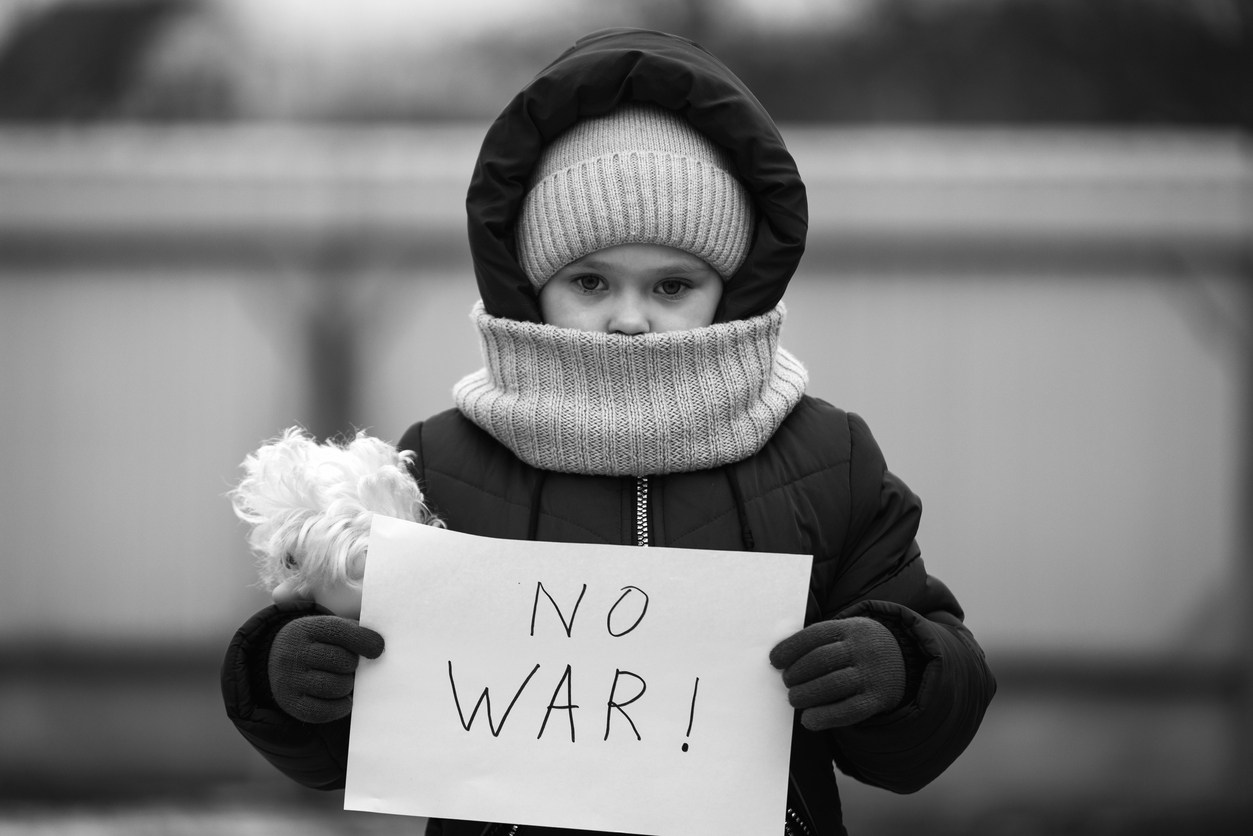 The main goal of helping a child with a traumatic experience is to help him integrate the traumatic memory into his life. Photo published under iStock/Getty Images licence, photo by Andrei310.
Dealing with negative feelings important
The main goal of helping a child with a traumatic experience is to help him integrate the traumatic memory into his life. When dealing with multiple traumas, they develop ‘Trauma and Resource Map’ together with the patient. Dealing with adolescents’ negative feelings is also important. Guilt and anger are common emotions among adolescents with PTSD.
According to Dr. Osokina, despite the terrible events of war, it is necessary to be honest. Children see and feel everything and hiding the truth and pretending that nothing is happening would be wrong. It is important to explain to them what is happening taking into consideration their age and ability to handle the situation.
Dr. Olga Osokina ended her speech with words attributed to Winston Churchill:
It doesn’t matter how many times you fall, what counts is how many times you stand up again.
Written by:
Sanna Haarlaa and Anja Miettinen, Students and Conference Co-ordinators, Humak University of Applied Sciences
Eeva Sinisalo-Juha, Ph.D, senior Lecturer, Humak University of Apllied Sciences
Publication date: 7.12.2023
Series: Humak Harticle
Published: Humak University of Applied Sciences
Licence: Open Accces CC-BY
Publications (Articles, Blogs & Podcast)
- Blog
- NGO Work
- Youth Work
User-Centered Development Improved the Usability of Jarjestin | Harticle
- Blog

- Youth Work
Harticle: Considering the ”Process” in Peace: Hope, Reconciliation and Young people in post-conflict Northern Ireland 1998 – Present
- Blogi
- Nuorisotyö
- Youth Work
Touching reflections on “The Diversity of Hope” – the keynote speakers’ personal reflections on hope in the midst of conflicts | Harticle
- Web publication

- Youth Work