Nearby Nature and Local Communities Can Protect Young People’s Mental Health
Finland’s youth mental health crisis is deepening. At the same time, research shows that experiences in nature have positive effects on wellbeing.
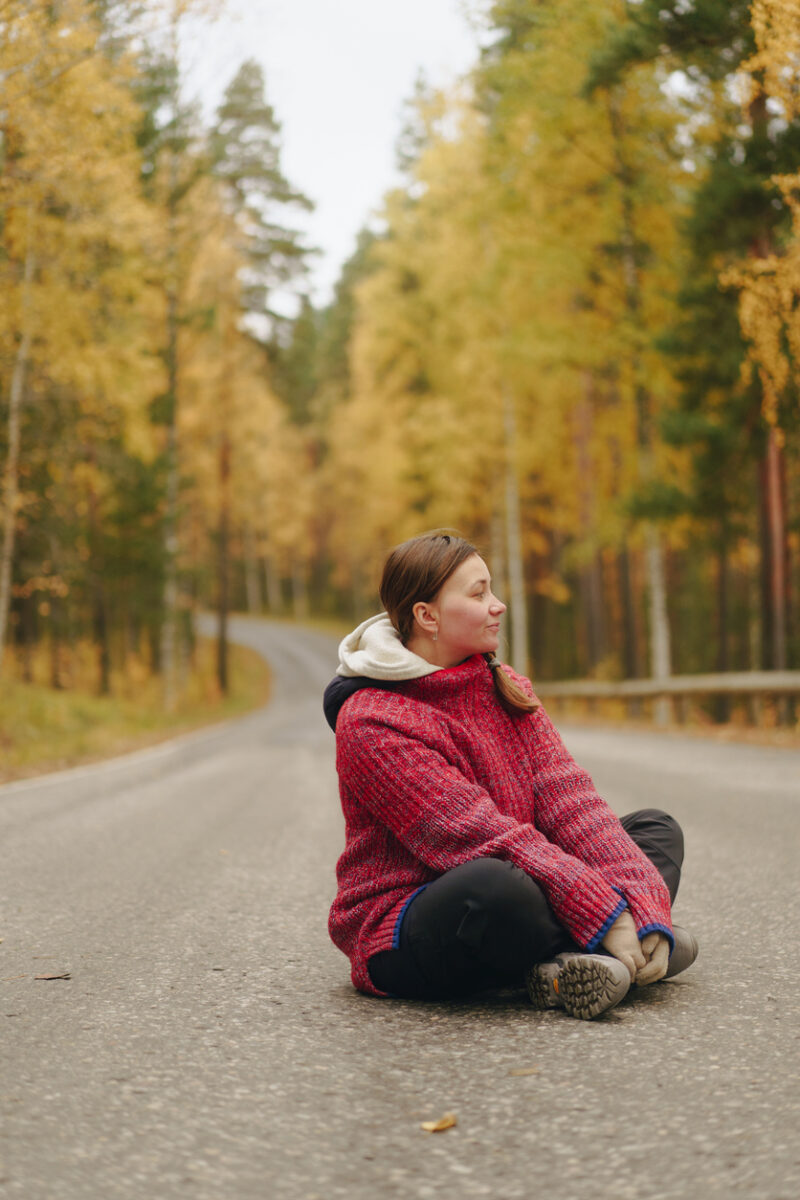
Finland’s youth mental health crisis is deepening. At the same time, research shows that experiences in nature have positive effects on wellbeing. Could nearby nature and local communities support young people’s identity formation and protect them from mental health problems?
In 2023, more than 100,000 Finns received sickness allowance due to mental health reasons. The number has nearly doubled in ten years, and the situation is particularly worrying among young adults. The increase is not evenly distributed across diagnoses: absences related specifically to anxiety have risen sharply.
Identity Confusion and Rootlessness
Many factors contribute to the mental health crisis, but one key issue is identity confusion—that is, difficulty forming a stable sense of self and one’s place in the world. Modern society offers young people immense freedom, but at the same time it can erode local communities, create rootlessness, and make it harder to find direction and purpose in life. Digitalization and social media reinforce the formation of identity bubbles and may lead to negative identity development. Although social media promises connection, it does not replace face-to-face interaction, which the human brain has evolved over millions of years to process.
 beautiful couple walking in the autumn forest, portraits on the background of beautiful nature
Nature and Community as Builders of Identity
Research shows that Finnish youth strongly associate nature with positive emotions and happiness. Nature provides essential resources for emotional and cognitive restoration. Natural environments help young people cope with negative emotions and stress.
But the significance of nature for identity can extend deeper than its immediate mental health benefits. Nearby nature is often intertwined with local communities and intergenerational ties in ways that are not yet fully understood. When a young person moves through familiar landscapes, they are not just alone in nature—they are part of the stories of the place, the community’s memories, and shared experiences.
Evolutionary psychology reminds us that the basic structures of human functioning—the ability to think about oneself, define one’s identity, and experience life as meaningful—developed in conditions where local nature and local communities were central spaces for identity formation. Despite the digital age, our brains still function best in physical environments and face-to-face interaction.
Toward New Solutions
The mental health crisis requires new perspectives. Simply restricting smartphones in schools is not enough—we also need to understand which environments and communities provide young people with the best opportunities to grow into healthy adults. Nearby nature and local communities can be part of the solution, offering young people a place to belong, to experience meaning, and to build a stable identity.
Author:
Nina Luostarinen, RDI Senior Specialist, Humak University of Applied Sciences, ORCID 0000-0003-0777-2858
Publication date: 18.12.2025
Publication series: Humak Harticle
Publisher: Humak University of Applied Sciences
Publications (Articles, Blogs & Podcast)
- Article

- Creative Field Entrepreneurship
The Window to India Is Open: Why Focused Strategy Defines the Next Breakthrough in the World’s Fastest-Growing Music Ecosystem
- Article

- Research and Development
- Resilient Societies
Crises as Catalysts for Change: The Foundations of the Resilient Societies Research Programme
- Web publication

- NGO Work
Ever Wanted to Be an Explorer? – Tikkala Schoolchildren Learning at the Struve Geodetic Arc at Oravivuori Station Point
- Web publication