What Kind of Interaction-Supporting Structures Promote Well-Being in Your Organization? | Harticle

The International Days of Linguistic Accessibility (IDLA) brought together communication professionals, researchers, teachers, and students. The Wellbeing Humak project was also part of the program, providing a workshop that addressed the following questions: What are interaction structures or systems that support well-being at work for you? How are these realized in your working communities?
Workshop participants discussed and shared their experiences and ideas in small groups, then presented their highlights to the whole group. Through the Wellbeing Humak project, they had the opportunity to engage in some valuable benchmarking.
The findings from the IDLA workshop about structures that support interaction and promote well-being were presumably very similar to those from previous Wellbeing Humak workshops. However, there were issues that had not been mentioned before, which participants felt were extremely important to bring into the discussion at Humak.
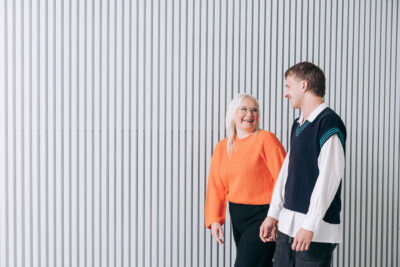
 A sense of community was recognized to be important for the workshop participants.
What are the Big or Small Structures that Affect My Well-Being?
Belonging, being part of a group, a sense of community, and respect towards the community and its individuals were key issues for participants. The possibility of receiving peer support emerged in the first group presentation, and other groups emphasized the same. Additionally, giving and receiving feedback, understanding everyone’s differences, and fostering trust were underscored.
Space issues were highlighted as essential: having enough space, having silent spaces, and ensuring the accessibility of spaces and working or learning platforms. Accessibility and equality in all forms were found to be important: openness, safe spaces, and not being talked down to.
Workshop participants identified confidence, strong professional skills, professional ethics, leadership, and self-leadership as supportive structures for their well-being. Well-being was perceived to grow through socialization, the process by which individuals internalize the norms and ideologies of society, in this case, their organization.
A sense of importance and meaningfulness, as well as humor towards oneself and one’s work, were seen as central. Further discussion is needed about what these presented structures or systems require from employers and employees to improve or function even better.
Authors:
Jenny Honka, Lecturer and Project Manager, Humak University of Applied Sciences | Hyvinvoiva Humak / Wellbeing Humak Project
Anniina Aunola, MA, Lecturer and Developer, Humak University of Applied Sciences | Hyvinvoiva Humak / Wellbeing Humak Project
Publication series: Humak Harticle
Publisher: Humak University of Applied Sciences
Publication date: 23.5.2024

Publications (Articles, Blogs & Podcast)
- Article

- Creative Field Entrepreneurship
The Window to India Is Open: Why Focused Strategy Defines the Next Breakthrough in the World’s Fastest-Growing Music Ecosystem
- Article

- Research and Development
- Resilient Societies
Crises as Catalysts for Change: The Foundations of the Resilient Societies Research Programme
- Web publication

- NGO Work
Ever Wanted to Be an Explorer? – Tikkala Schoolchildren Learning at the Struve Geodetic Arc at Oravivuori Station Point
- Web publication