
Becoming a Professional, part 2: Community Educator (Bachelor’s Degree), Adventure and Outdoor Education: Let adventure lead you into a profession

S
The best ideas often emerge only once you leave your comfort zone behind. An adventure educator points the way on this journey of discovery. The international degree programme in Adventure and Outdoor Education combines pedagogy, nature skills and experiential learning in a unique way. This blog looks at the roles and organisations where community educators who have graduated from the Adventure and Outdoor Education programme have found employment, as well as what the field has to offer in the future.
Learning in the classroom and in nature
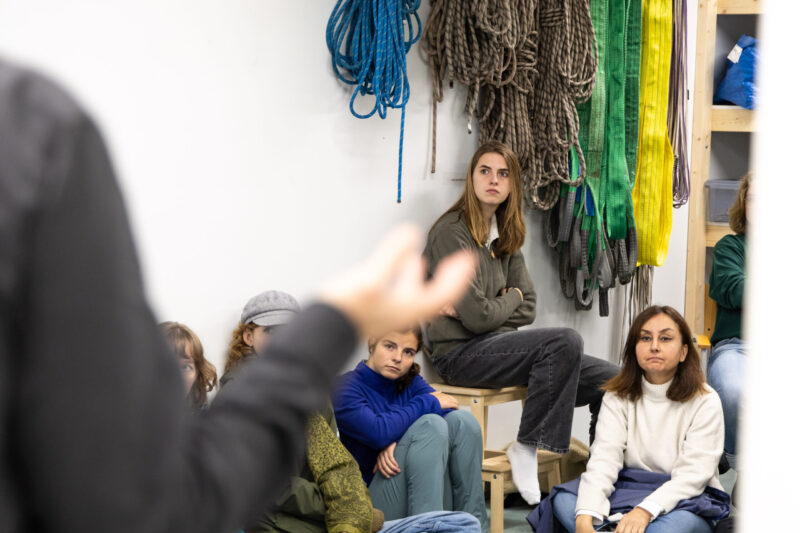
At the core of adventure education studies are experiential learning through meaningful experiences, nature and outdoor guidance, group facilitation, and the planning and implementation of activities. Learning takes place both in the classroom and on a variety of nature adventures: hiking, canoe trips, summer and winter camps and winter sports. The language of instruction is English, which makes the programme well suited to international students, who make up more than half of the adventure education intake.
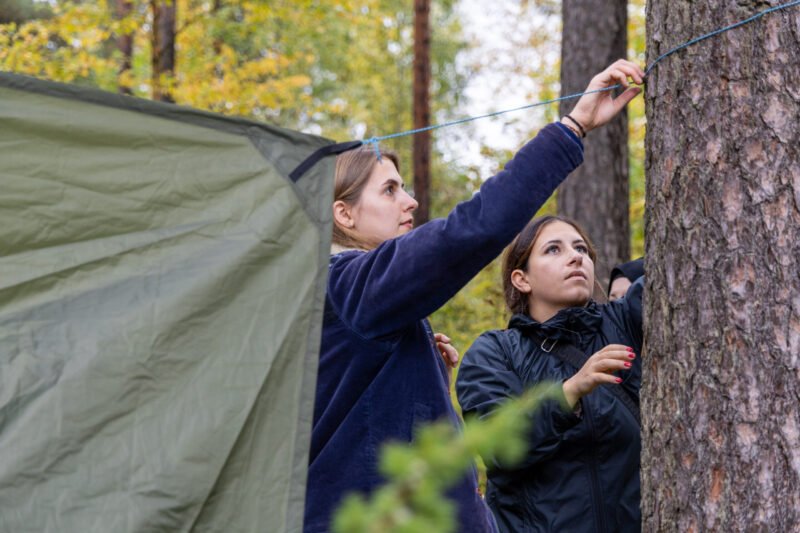
An adventure educator’s career path can lead to the most varied adventures. Humak graduates work in the tourism and service sector, for example in sales and customer relations roles, offer adventure education services as entrepreneurs and freelancers, or work as teachers, trainers and instructors in educational institutions and youth work projects alike.
Entrepreneurship and mobility
More than two thirds of graduates are employed in the private sector, while the public sector employs only a small share of adventure educators. Nearly one in five graduates work as entrepreneurs or freelancers. This is the highest share among the different specialisations for community educators, reflecting how well the field lends itself to independent work and entrepreneurship.
Graduates’ jobs are concentrated in Southern Finland, where there are plenty of employers in tourism and experience services. However, there is demand for adventure educators’ expertise across the country, all the way to Northern Finland and abroad, near nature and tourist destinations. International activities become familiar already during studies, so working with tourists abroad or in Finland is common in the field.
Challenges teach preparedness
An adventure educator’s work can be physically demanding and working hours can vary, and the seasonal nature of tourism is reflected in the number of assignments at different times of the year. Many therefore combine their adventure education expertise with other roles or make their own company’s range of services more year-round, for example by combining nature services, training and wellbeing services. Economic cycles in tourism affect demand, but they also encourage professionals in the field to diversify their expertise and services.
Skills worth investing in: insights from our alumni
The programme is still young, and the number of graduates is small so far; many of them have been in working life for only a few years. The picture described here will therefore become more precise over time. In Humak’s own 2024 graduate outcomes survey of adventure education graduates, graduates identified areas for development particularly in pedagogical skills, workplace skills and entrepreneurial skills. Based on these, students should, while still studying, invest in an educational approach alongside adventure and in marketing their own expertise, as entrepreneurship and freelance work are becoming increasingly important in the field. The survey results are presented in more detail in the blog post Venturing into the world of work.
Connection to nature as a driver of demand
Sustainable tourism and nature tourism, wellbeing and health tourism, corporate team development in nature, and combining digital services with adventure education are growing areas of expertise. The increasing emphasis on connection to nature and outdoor activities for wellbeing, particularly from the perspective of mental health, maintains a continuous demand in the field.
The ageing population of Finland also opens up new opportunities. Wellbeing and exercise services in nature for older people and maintaining functional capacity through experiential methods are increasingly important themes. Inclusive adventure education, which aims to give everyone the opportunity to take part in nature experiences, also creates job opportunities.
Amid global crises, a strong civil society sustains resilience, and adventure education professionals can act as agents who strengthen the resources of communities. The ability to build attractive international concepts, combine digital and physical experiences, and respond to the needs of an ageing population helps strengthen the field’s employment prospects in the future.
Humak expands its international offering
Adventure education is not the only example of Humak’s increasingly international range of degree programmes. In autumn 2026, Humak also launched the new English-taught Community Educator degree in Youth Work and Community Wellbeing, aimed particularly at international applicants and international applicants already living in Finland. The degree responds to growing competence needs, including young people’s increasing wellbeing challenges, multiculturalism, integrating sustainable development into youth and community work, and managing digital and global operating environments.
In addition, Humak and South-Eastern Finland University of Applied Sciences (Xamk) are jointly launching the English-taught Master’s degree Wellbeing tourism, Master in Humanities, Community Educator, which offers a natural path to further studies for graduates of the Adventure and Outdoor Education programme, among others.
All of these degrees point in the same direction: Humak offers both Finnish and international students a multicultural learning environment and opens up job opportunities for its students beyond the traditional fields of NGO and youth work.
Educational expertise adapts to many settings
The Adventure and Outdoor Education degree is evolving and taking shape, but the direction is clear: the field is becoming more professional, and there is demand for its graduates’ expertise in a growing number of sectors, even beyond traditional nature and tourism services. It’s this adaptability, the ability to apply educational expertise to new operating environments, that makes the degree an exceptionally sustainable choice in a changing working life.
Authors:


Sources:
Graduating Student Survey for Universities of Applied Sciences (AVOP), 2021–2025.
Material from the joint workshop of Humak’s Executive Team and heads of divisions, 2026.
Henriksson, J. & Pohjanmäki, T. (2024). Venturing into the world of work: Humak Adventure Education Graduate Outcomes Survey. Humak blog series.
Previously published in the Becoming a Professional blog series:
Publications (Articles, Blogs & Podcast)
- Blog
- NGO Work
- Youth Work
Becoming a Professional, part 1: Community Educator (Bachelor’s Degree), NGO and Youth Work: A profession that matters every day
- Blog
- Research and Development
- Resilient Societies
Art projects to strengthen the social inclusion of immigrant women
- Article

- Community Educator
From Instructor to Co-Creator: Participatory Pedagogy in Community Education
- Blog
- Creative Field Entrepreneurship